
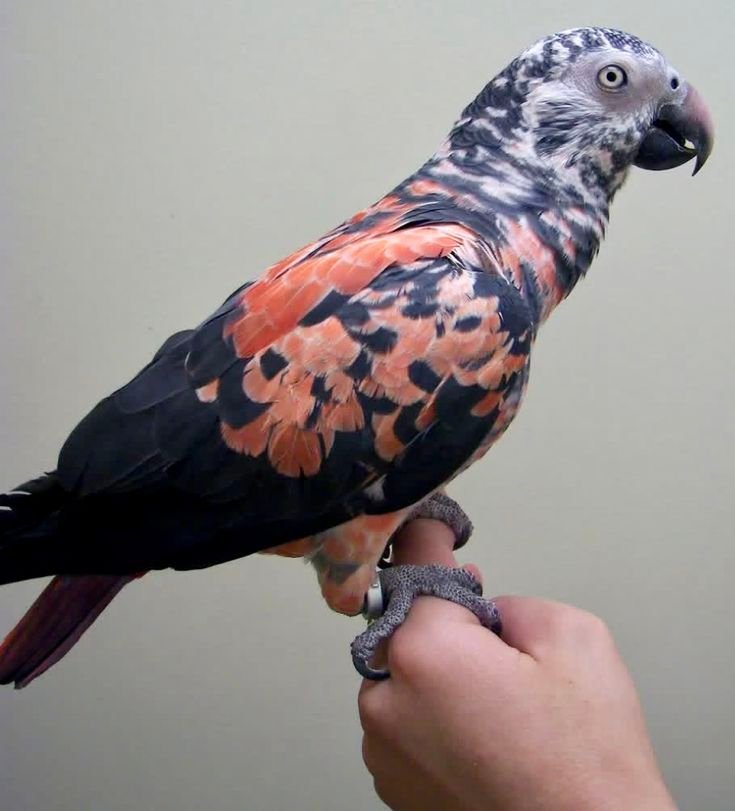
Congo vs Timneh African Grey: Key Differences, Pros & Cons, and Which Is the Better Pet in 2026
When searching Congo vs Timneh African Grey, most people want a clear answer on which parrot makes the better companion. The Congo African Grey vs Timneh African Grey debate is common among potential owners because both are incredibly intelligent birds known for exceptional talking ability and emotional depth. However, the differences between Congo and Timneh African Grey parrots are significant enough to influence your final choice.
In this in-depth Congo vs Timneh African Grey guide, we cover every major aspect — from physical appearance and Timneh African Grey characteristics to Congo African Grey temperament, talking skills, care needs, and more. By the end, you’ll know exactly which African Grey is better pet for your home and lifestyle.
Both species were once grouped together but are now recognized as distinct. The Congo African Grey comes from Central African rainforests, while the Timneh hails from West Africa. Both offer cognitive abilities similar to a young child, but the Congo vs Timneh African Grey comparison reveals clear distinctions in size, looks, personality, and suitability.
Quick Side-by-Side Comparison: Congo vs Timneh African Grey
| Feature | Congo African Grey | Timneh African Grey |
|---|---|---|
| Size | Larger: 12–16 inches, 350–650 g | Smaller & stockier: 9–11 inches, 250–375 g |
| Plumage & Color | Light silvery-grey with bright vivid red tail | Darker charcoal-grey with scalloped V-pattern, maroon tail |
| Beak | Solid black | Distinctive two-toned (horn/pinkish upper with black tip) |
| Temperament | Often sensitive, one-person oriented | Calmer, more sociable & family-friendly |
| Talking Ability | Starts later but can develop huge vocabulary | Starts earlier with very clear speech |
| Maturation | Slower | Faster, often more stable early on |
| Lifespan | 50–60+ years | 40–50+ years (up to 60 with excellent care) |
| Average Price (2026) | Higher: $1,200 – $3,500+ | More affordable: $800 – $2,500 |
| Best For | Experienced owners wanting classic looks | Beginners & multi-person households |
This table highlights the core differences between Congo and Timneh African Grey at a glance.
1. Physical Appearance: Easy Ways to Tell Them Apart in Congo vs Timneh African Grey
One of the most noticeable aspects in any Congo vs Timneh African Grey discussion is appearance.
Congo African Greys are the larger, more iconic birds with elegant light silvery-grey feathers that fade lighter on the chest and a striking bright red tail. They have a solid black beak and a more elongated body.
Timneh African Greys are compact with deeper charcoal-grey plumage, often showing attractive white scalloping that forms a V-shape on the belly. Their tail is a darker maroon shade, and the two-toned beak is a reliable giveaway.
If the flashy red tail and larger presence appeal to you, the Congo wins on looks. For a subtler, darker beauty that fits smaller living spaces, the Timneh shines. These visual traits make adult identification straightforward in the Congo African Grey vs Timneh African Grey comparison.
2. Temperament and Personality: Congo African Grey vs Timneh African Grey
Personality is frequently the deciding factor when choosing which African Grey is better pet.
Congo African Grey temperament is often described as emotionally complex and sensitive. Many Congos form deep, loyal bonds with one primary person but can become anxious with changes in routine, new people, or inconsistent attention. This sensitivity sometimes leads to stress behaviors like feather plucking if needs aren’t met.
Timneh African Grey characteristics generally include a calmer and more adaptable nature. Timnehs tend to mature faster, making them more confident and stable at a younger age. Owners often report that Timnehs are more sociable, willing to interact with multiple family members, and less prone to nervousness. In many Congo vs Timneh African Grey owner stories, Timnehs are called “sweeter” or more easygoing overall.
Real experiences from parrot communities show variation — some Congos are outgoing, and some Timnehs can be reserved. Consistent early socialization and positive training greatly influence outcomes in both.
3. Intelligence, Talking Ability, and Mimicry Skills
Both excel in the Congo vs Timneh African Grey talking debate, with intelligence comparable to a 5-year-old child and emotional awareness like a toddler.
In the Timneh vs Congo parrot comparison, Timnehs often start mimicking words and sounds as early as 6–10 months, with exceptionally clear pronunciation from the beginning. They are confident vocalizers even around strangers.
Congos may begin talking after their first year but frequently build larger vocabularies (hundreds of words) and master exact tones, household noises, and contextual phrases. Neither is guaranteed to talk — daily interaction (2–4+ hours) and enrichment are essential for both in any Congo African Grey vs Timneh African Grey setup.
4. Care Requirements and Health Considerations
Care needs are very similar in the Congo vs Timneh African Grey comparison, but size differences matter slightly.
Both require a spacious cage (minimum 36”W x 24”D x 48”H for Congos; slightly smaller is acceptable for Timnehs), a diet of 70–80% high-quality pellets plus fresh produce, nuts, and safe toys for foraging and chewing. Provide 10–12 hours of quiet sleep nightly and regular avian vet check-ups.
Health risks include calcium deficiency, respiratory issues, and behavioral problems from boredom or stress. Larger Congos may need more exercise space, while the smaller Timneh can thrive in moderately sized homes. Feather plucking is a risk for both, though some owners note Timnehs may be slightly less susceptible due to their calmer baseline.
5. Lifespan, Price, Ethical Buying, and Long-Term Commitment
In the Congo vs Timneh African Grey discussion, lifespan is a major factor:
- Congos: Often 50–60+ years with proper care.
- Timnehs: Typically 40–50+ years (some reach 60).
Prices in 2026 reflect demand: Congos usually cost more due to their classic red-tail appeal, while Timnehs are often more budget-friendly. Monthly ongoing costs (food, toys, vet) are similar for both.
Always buy from reputable breeders who DNA test, provide health guarantees, and follow ethical practices. Consider adoption from rescues as a responsible, often lower-cost option for adult birds in the Congo African Grey vs Timneh African Grey market.
6. Training Tips and Enrichment for Success
To bring out the best in either bird:
- Use positive reinforcement and short daily training sessions.
- Rotate toys weekly and introduce foraging puzzles.
- Gradually socialize young birds to new sounds and people.
- Watch for stress signals (excessive screaming, plucking) and address boredom quickly.
These steps help mitigate common challenges in any Congo vs Timneh African Grey household.
Pros and Cons: Congo African Grey vs Timneh African Grey
Congo Pros: Iconic bright red tail, potential for massive vocabulary, profound one-on-one bonds. Congo Cons: Can be more anxious or one-person focused, higher price, slower maturation.
Timneh Pros: Calmer and more family-adaptable, earlier clearer talking, smaller size, often more affordable. Timneh Cons: Less flashy appearance for some, slightly shorter average lifespan reports.
Which African Grey Is Right for You in the Congo vs Timneh African Grey Debate?
- Choose Congo if you have parrot experience, love the classic look, and can dedicate time to a sensitive, loyal companion.
- Choose Timneh if you’re a first-time owner, have a busy multi-person home, or prefer a more relaxed, sociable bird.
There is no single “better” choice in Congo vs Timneh African Grey — it depends on your experience, space, daily availability, and what you value most.
Frequently Asked Questions (FAQ)
Are Timneh African Greys as good talkers as Congos? Yes — Timnehs often start earlier with clearer speech, while Congos may develop larger vocabularies later.
Do Congo African Greys make better pets than Timneh? Not always. Many recommend Timnehs for beginners due to their calmer Timneh African Grey characteristics.
How long do they live in Congo vs Timneh African Grey comparison? Congos commonly reach 50–60+ years; Timnehs 40–50+ years with excellent care.
Can you keep a Congo and Timneh together? Possible with careful introduction and monitoring, but provide separate spaces if needed.
Are both endangered? Yes — only purchase captive-bred birds from ethical sources.
Conclusion The Congo vs Timneh African Grey choice ultimately balances appearance, Congo African Grey temperament, Timneh African Grey characteristics, and your lifestyle. Both are remarkable, long-lived companions capable of genuine conversation and strong emotional bonds. They demand commitment, but the rewards of living with an African Grey are unmatched.
Whichever you select in the Congo African Grey vs Timneh African Grey debate, focus on ethical sourcing, daily interaction, and proper enrichment. These birds can become true family members for decades.
Have you decided between Congo vs Timneh African Grey yet? Share your experiences or questions in the comments — we love hearing from fellow bird enthusiasts!
If you’re researching Congo vs Timneh African Grey, you’re likely deciding between two of the most intelligent and captivating parrots in the world. Both the Congo African Grey (Psittacus erithacus) and the Timneh African Grey (Psittacus timneh) are celebrated for their exceptional talking skills, problem-solving abilities, and deep emotional bonds with humans. Yet they are distinct species with notable differences in appearance, personality, and suitability as pets.
Once considered subspecies of the same bird, genetic studies have confirmed them as separate species. The Congo originates primarily from the dense rainforests of Central Africa (including the Congo Basin, Cameroon, and parts of Angola), while the Timneh is native to the Upper Guinea forests of West Africa (Sierra Leone, Liberia, Ivory Coast, and surrounding regions). Both face threats in the wild from habitat loss and the pet trade, making ethical sourcing essential.
This comprehensive Congo African Grey vs Timneh African Grey guide covers every important aspect to help you make an informed choice. Whether you’re a first-time bird owner or an experienced parrot enthusiast, understanding these differences will ensure you pick the right companion for your lifestyle.
Quick Side-by-Side Comparison Table
| Feature | Congo African Grey | Timneh African Grey |
|---|---|---|
| Scientific Name | Psittacus erithacus | Psittacus timneh |
| Size | Larger: 12–16 inches (30–40 cm), 350–650 g | Smaller: 9–11 inches (23–28 cm), 250–375 g |
| Color & Plumage | Light silvery-grey body, bright vivid red tail | Darker charcoal-grey with scalloped V-pattern, maroon tail |
| Beak | Solid black | Two-toned (horn/pinkish upper with black tip) |
| Temperament | Often more reserved, one-person oriented, sensitive | Calmer, more sociable, adaptable to families |
| Talking Ability | Starts later (12+ months), potentially larger vocabulary | Starts earlier (6–10 months), clear and confident speech |
| Maturation Rate | Slower | Faster, often more stable early on |
| Lifespan | 50–60+ years with excellent care | 40–50+ years (some reports up to 60) |
| Price Range (2026) | $1,200 – $3,500+ | $800 – $2,500 (often more affordable) |
| Best Suited For | Experienced owners seeking classic looks and deep bonds | Beginners, families, or those wanting a relaxed companion |
1. Physical Differences: Size, Color, and Appearance
One of the most obvious differences between Congo and Timneh African Grey is their physical appearance.
Congo African Greys are the larger, more “iconic” variety most people imagine when thinking of an African Grey parrot. They boast a light, silvery-grey plumage that gradually lightens toward the chest, paired with a striking, bright scarlet-red tail. Their beak is uniformly black, and they have a more elongated, elegant body shape.
Timneh African Greys are noticeably more compact and stocky. Their feathers are a deeper charcoal-grey, often showing a subtle white scalloping or “V” pattern across the abdomen and head. The tail is a darker maroon or burgundy shade, and their signature two-toned beak (lighter horn-colored upper mandible with a dark tip) is a reliable identifier.
These visual traits make identification straightforward in adults, though young birds can be harder to distinguish until they mature. If you love the flashy red tail and larger presence, the Congo stands out. For a subtler, darker beauty that fits better in smaller spaces, the Timneh is ideal.
2. Personality and Temperament: The Big Deciding Factor
Personality often weighs heavier than looks when choosing which African Grey is better as a pet.
Congo African Grey temperament tends to be more sensitive and emotionally complex. Many owners describe them as intensely loyal but prone to bonding strongly with one primary person. They can become anxious with routine changes, new environments, or inconsistent attention, sometimes leading to stress behaviors like feather plucking. With patient socialization, however, Congos form profound, almost human-like relationships.
Timneh African Grey characteristics generally lean toward being calmer and more adaptable. Timnehs often mature faster, making them more stable and confident at a younger age. Owners frequently report that Timnehs are more willing to interact with multiple family members, less neurotic, and quicker to adjust to new homes or visitors. Many describe them as “sweeter” or more easygoing overall.
Real owner experiences (from forums and communities) show variation: some Congos are outgoing, while some Timnehs can be shy. Ultimately, early socialization, consistent training, and enrichment play huge roles in shaping any African Grey’s personality.
3. Intelligence, Talking Ability, and Mimicry
Both species rank among the smartest birds on the planet, with cognitive abilities comparable to a 5-year-old child and emotional intelligence like a 2-year-old toddler. They can solve puzzles, understand concepts like “same/different,” and even use words in context.
- Timneh African Grey: Frequently begins vocalizing and mimicking words as early as 6–10 months. Their speech is often exceptionally clear from the start, and they tend to perform confidently in front of others.
- Congo African Grey: May start talking later (after the first year), but many develop extensive vocabularies (hundreds of words) and excel at imitating exact tones, household sounds (phones, doorbells, laughter), and full phrases.
Neither is guaranteed to be a champion talker — individual personality, environment, and daily interaction matter more than subspecies. Both require at least 2–4 hours of out-of-cage time and mental stimulation daily to prevent boredom.
4. Care Requirements: Very Similar but Not Identical
Care needs for Congo and Timneh African Greys overlap significantly, but size differences affect a few practical aspects.
Both thrive on a balanced diet: high-quality pellets (70–80%), fresh vegetables, fruits, limited nuts/seeds, and occasional healthy treats. They need a spacious cage (minimum 36”W x 24”D x 48”H for Congo; slightly smaller acceptable for Timneh), plenty of safe toys for chewing and foraging, and 10–12 hours of uninterrupted sleep in a quiet, covered area.
Health considerations: African Greys are prone to calcium deficiency, respiratory issues, and behavioral problems from stress. Regular avian vet visits (at least annually) are crucial. Larger Congos may need more physical exercise space, while Timnehs can do well in moderately sized homes.
Feather plucking is a risk for both if neglected, but some owners note Timnehs may be slightly less susceptible due to their calmer baseline temperament.
5. Lifespan, Price, and Ethical Considerations
Both birds are long-lived commitments:
- Congo: Typically 50–60+ years.
- Timneh: Often 40–50+ years (with excellent care, some reach 60).
Price in 2026: Congo African Greys usually cost more ($1,200–$3,500+) due to higher demand for their classic red-tail look. Timnehs are often more affordable ($800–$2,500). Ongoing monthly costs (food, toys, vet care) run $115–$265 for either.
Always source from reputable breeders who DNA-sex the bird, provide health guarantees, and practice ethical breeding. Adoption from rescues is an excellent, lower-cost option that gives a second chance to adult birds.
Pros and Cons Summary
Congo African Grey Pros:
- Striking bright red tail and elegant appearance
- Potential for massive vocabulary and complex mimicry
- Deep, loyal one-on-one bonds
- Widely recognized “classic” African Grey
Congo African Grey Cons:
- Can be more anxious or one-person oriented
- Slower maturation
- Higher price and larger space needs
Timneh African Grey Pros:
- Calmer, more family-friendly, and adaptable
- Starts talking earlier with clear speech
- Smaller size (easier handling and housing)
- Often more affordable and quicker to settle
Timneh African Grey Cons:
- Less flashy appearance for some owners
- Slightly shorter average lifespan in some reports
- May still form strong preferences for certain people
Which African Grey Is Right for You?
- Choose a Congo if you have prior parrot experience, want the iconic look, and are prepared to invest time building trust with a sensitive, highly intelligent companion.
- Choose a Timneh if you’re a beginner, live in a multi-person household, prefer a more relaxed bird, or have limited space.
There is no single “better” bird — the right choice depends on your experience level, home environment, daily availability, and personal preferences.
Additional Tips for Success with Any African Grey
- Training: Use positive reinforcement. Both species respond well to clicker training and short, fun sessions.
- Enrichment: Rotate toys weekly, teach foraging skills, and provide chewable wood and puzzle feeders.
- Socialization: Expose young birds gradually to new people, sounds, and experiences.
- Common Challenges: Watch for signs of stress (screaming, plucking, aggression). Boredom is the #1 cause of behavioral issues.
Frequently Asked Questions (FAQ)
Are Timneh African Greys as good at talking as Congos? Yes — many Timnehs actually begin speaking sooner and maintain very clear pronunciation.
Do Congo African Greys make better pets than Timneh? Not universally. Timnehs are often recommended for first-time owners due to their calmer nature and faster maturation.
How long do Congo vs Timneh African Grey live? Congos commonly reach 50–60+ years; Timnehs 40–50+ years with proper care.
Can Congo and Timneh African Greys be kept together? They can sometimes coexist peacefully, but monitor for aggression and provide separate spaces if needed. Cross-breeding occasionally occurs but is not recommended.
Are both species endangered? Yes. Both are protected under CITES. Support only ethical, captive-bred sources.
Conclusion The Congo vs Timneh African Grey decision comes down to balancing aesthetics, personality fit, and your ability to meet their high social and mental needs. Both subspecies offer unparalleled companionship, intelligence, and entertainment for decades. They are not “easy” pets — they demand time, commitment, and respect — but the rewards of sharing life with an African Grey are extraordinary.
Whichever you choose, prioritize proper research, ethical acquisition, and lifelong enrichment. These birds can become true family members capable of genuine conversation and emotional connection.
Have you owned a Congo or Timneh African Grey? What differences did you notice? Share your experiences or questions in the comments — we’d love to hear from fellow parrot lovers!
Last updated: April 2026