
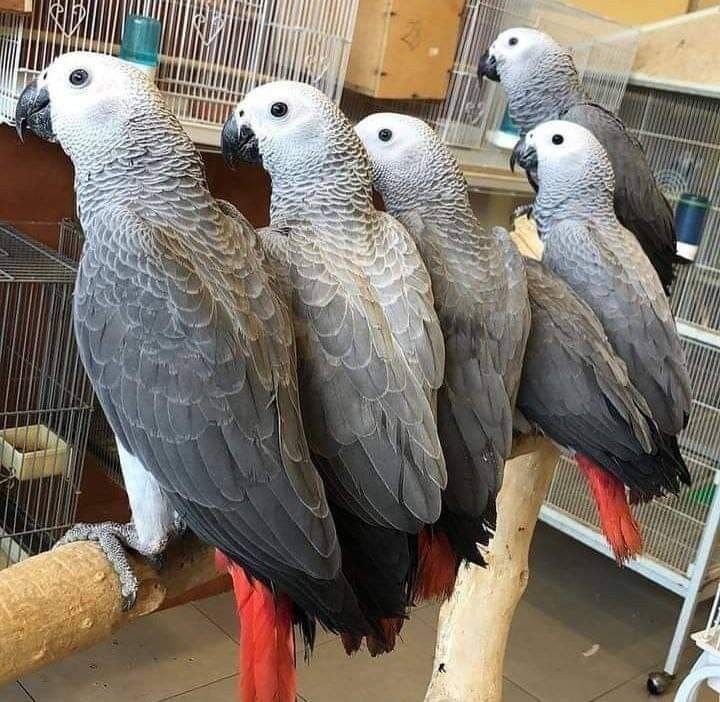
Choosing the best diet for African Greys, Cockatoos & Macaws is one of the most important decisions for any large parrot owner. These intelligent, long-lived birds (often 40–80+ years) can develop serious health issues like obesity, feather plucking, fatty liver disease, and calcium deficiency if fed improperly. A balanced diet supports vibrant feathers, strong immunity, clear talking ability, and overall happiness.
In this in-depth 2026 guide, we cover the African Grey parrot diet, Cockatoo nutrition requirements, and Macaw feeding guide. You’ll learn the ideal mix of high-quality pellets, fresh vegetables, fruits, nuts, and seeds — plus parrot pellets vs seeds comparisons, safe foods, toxic items to avoid, and practical daily tips. At Exotic-Birds.com, we raise healthy, hand-raised African Greys, Cockatoos, and Macaws that are already started on a varied, balanced diet. This makes the transition to your home smooth and successful. Browse our current listings today for birds backed by full health guarantees and receive a free personalized feeding guide with every purchase plus 24/7 support.
Modern avian veterinary recommendations emphasize pellets as the nutritional foundation because they provide consistent, complete nutrition without the selective eating common with seed-only diets. Fresh foods add variety, vitamins, and mental stimulation through foraging.
Quick Species Comparison: Best Diet for African Greys, Cockatoos & Macaws
| Species | Recommended Pellet % | Fresh Produce % | Nuts/Seeds % | Key Considerations |
|---|---|---|---|---|
| African Grey | 60–80% | 20–30% (veggie-heavy) | 5–10% | High calcium needs; focus on dark leafy greens |
| Cockatoo | 60–80% | 20–30% (veggie-heavy) | 5–10% | Prone to obesity; keep overall fat lower |
| Macaw | 60–75% | 15–25% | 10–20% | Higher healthy fat tolerance; more nuts allowed |
This table gives an instant overview of the core differences in the best diet for African Greys, Cockatoos & Macaws.
1. Pellets: The Foundation of a Healthy Diet
High-quality pellets should form the majority of the African Grey parrot diet, Cockatoo nutrition requirements, and Macaw feeding guide. Pellets are formulated to deliver balanced vitamins, minerals, and proteins that seeds alone cannot provide reliably.
- African Greys: 60–80% pellets. They benefit from formulas with added calcium and vitamin A support to prevent deficiencies.
- Cockatoos: 60–80% pellets. These affectionate “Velcro birds” are prone to weight gain, so choose lower-fat options.
- Macaws: 60–75% pellets, allowing slightly more room for healthy nuts due to their larger size and natural foraging habits.
Reputable brands include Harrison’s (High Potency), Lafeber Nutri-Berries, ZuPreem Naturals, Roudybush, and TOPs. Avoid cheap pellets with artificial colors, sugars, or excessive preservatives. Transition gradually over 4–8 weeks by mixing with current food to prevent refusal.
At Exotic-Birds.com, our hand-raised birds are introduced to quality pellets early, so they arrive eager to eat a balanced diet. This foundation helps prevent the common problems seen in seed-heavy birds.
2. Fresh Foods: Vegetables, Fruits, and Safe Additions
Fresh produce should make up 20–30% of the daily diet in any balanced diet for Cockatoos and Macaws or African Grey parrot diet. Prioritize vegetables over sugary fruits for steady energy and better nutrition.
Safe Vegetables (daily staples for all three species):
- Dark leafy greens: kale, spinach, collard greens, bok choy, dandelion
- Broccoli, carrots, sweet potato, pumpkin, bell peppers, zucchini, peas, green beans
Safe Fruits (in moderation — 10% or less):
- Apples (no seeds), berries, mango, papaya, banana, melon, kiwi, pomegranate
Healthy Additions:
- Cooked grains: quinoa, brown rice, oats
- Sprouted seeds (enzyme-rich and highly digestible)
- Small portions of cooked legumes or egg for protein (especially beneficial for Cockatoos and Macaws)
Chop or shred fresh foods to encourage natural foraging behavior. Remove uneaten portions after a few hours to avoid spoilage.
3. Nuts and Seeds: Treats, Not the Main Course
In the parrot pellets vs seeds debate, experts agree that seeds should never be the primary diet for large parrots. They are high in fat and lack many essential nutrients, leading to obesity and health issues in captivity.
- African Greys & Cockatoos: Limit to 5–10% as occasional treats or training rewards.
- Macaws: Up to 10–20% healthy nuts (almonds, walnuts, Brazil nuts, macadamia) because of their higher natural fat needs.
Choose unsalted, human-grade nuts only. Avoid peanuts in shells due to potential mold and aflatoxin risks.
4. Foods to Strictly Avoid: Toxic Items for Large Parrots
Knowing dangerous foods is essential in the best diet for African Greys, Cockatoos & Macaws.
Highly Toxic (can cause illness or death):
- Avocado (contains persin)
- Chocolate (theobromine)
- Caffeine, alcohol, and sugary/fried human foods
- Onions, garlic (in large amounts)
- Apple seeds, cherry pits, peach/apricot pits (cyanide risk)
- Rhubarb leaves
Foods to Limit or Avoid:
- High-fat seed mixes as a staple
- Dairy products (most birds are lactose intolerant)
- Lettuce or cucumber (mostly water with little nutrition)
Always wash produce thoroughly and opt for organic when possible. Consult an avian vet before introducing anything new.
5. Daily Feeding Schedule and Practical Tips
- Morning: Fresh pellets mixed with chopped veggies/fruit
- Midday: Small foraging treats (nuts, sprouts, or veggies hidden in toys)
- Evening: Remaining pellets or fresh chop
Provide fresh, clean water daily and change it multiple times. Weigh your bird weekly to monitor for weight changes. Use foraging toys to make meals engaging and reduce boredom-related behaviors like screaming or plucking.
Transition Tips: If switching from seeds, start with 25% pellets and increase slowly. Warm or slightly moisten pellets to improve acceptance.
Supplements: With a good pellet base, most birds need minimal extras. Offer a cuttlebone or mineral block for calcium. Ensure access to natural or artificial UVB lighting for vitamin D3 synthesis.
6. Species-Specific Nuances
- African Grey Parrot Diet: Particularly sensitive to calcium and vitamin A shortages. Emphasize dark greens and beta-carotene-rich veggies like carrots and sweet potato. They can be picky, so offer variety consistently.
- Cockatoo Nutrition Requirements: Watch closely for obesity and fatty tumors. Keep fat content lower and provide plenty of chewable veggies and foraging opportunities.
- Macaw Feeding Guide: Larger beaks and higher energy needs allow more nuts, but portion control remains important. They enjoy tropical fruits and whole vegetables for play.
All three species thrive when excellent nutrition pairs with daily out-of-cage time, enrichment, and social interaction.
Why Buy Hand-Raised Birds from Exotic-Birds.com?
The best diet for African Greys, Cockatoos & Macaws works best when your parrot is already accustomed to variety and pellets. At Exotic-Birds.com, every bird we offer is hand-raised with early exposure to balanced nutrition, pellets, and fresh foods. They arrive confident, healthy, and ready to eat well in your home.
We provide a detailed feeding guide, full health records, DNA testing, and 24/7 post-purchase support with every bird. Our competitive 2026 pricing and fast shipping options make it easy and responsible to welcome a new companion. Many customers report their birds from us accepted new foods quickly and maintained excellent health thanks to the strong nutritional start we give them.
Ready to give your future parrot the healthiest possible foundation? Visit https://exotic-birds.com/ today to view available hand-raised African Greys, Cockatoos, and Macaws. Take advantage of current offers and expert guidance — your bird’s long, vibrant life starts with the right diet and the right breeder.
Frequently Asked Questions (FAQ)
What percentage of the diet should be pellets for African Greys, Cockatoos & Macaws? Generally 60–80%, with the remainder fresh vegetables, limited fruit, and occasional nuts.
Are seeds bad in the best diet for these birds? Seeds should be limited to treats only. Pellets provide far better balanced nutrition and help prevent obesity and deficiencies.
Can Macaws eat more nuts than Cockatoos? Yes — Macaws tolerate higher healthy fats better, while Cockatoos are more obesity-prone.
What are the most dangerous toxic foods? Avocado, chocolate, onions/garlic, apple seeds, caffeine, alcohol, and rhubarb top the list.
Do hand-raised birds from Exotic-Birds.com transition to pellets easily? Yes — our birds start on varied, balanced diets early, making the switch smooth for new owners.
Conclusion The best diet for African Greys, Cockatoos & Macaws combines 60–80% high-quality pellets as the base, 20–30% fresh vegetables and limited fruits, and small amounts of healthy nuts or seeds. This approach prevents common nutritional problems and supports a long, active, and happy life filled with talking, playing, and bonding.
Pair proper nutrition with daily enrichment and social time for the best results. The smartest way to succeed is by starting with a healthy, hand-raised bird already familiar with a proper diet.
At Exotic-Birds.com, we’re committed to connecting families with thriving parrots and giving you all the tools for success — including expert nutrition advice and ongoing support. Visit https://exotic-birds.com/ now to explore available African Greys, Cockatoos, and Macaws, read real customer stories, and take the first step toward years of joyful companionship with a well-nourished bird.
Have questions about tailoring the best diet for African Greys, Cockatoos & Macaws to your situation? Drop them in the comments or contact us directly on the site — we’re here to help every step of the way!
Last updated: April 2026