
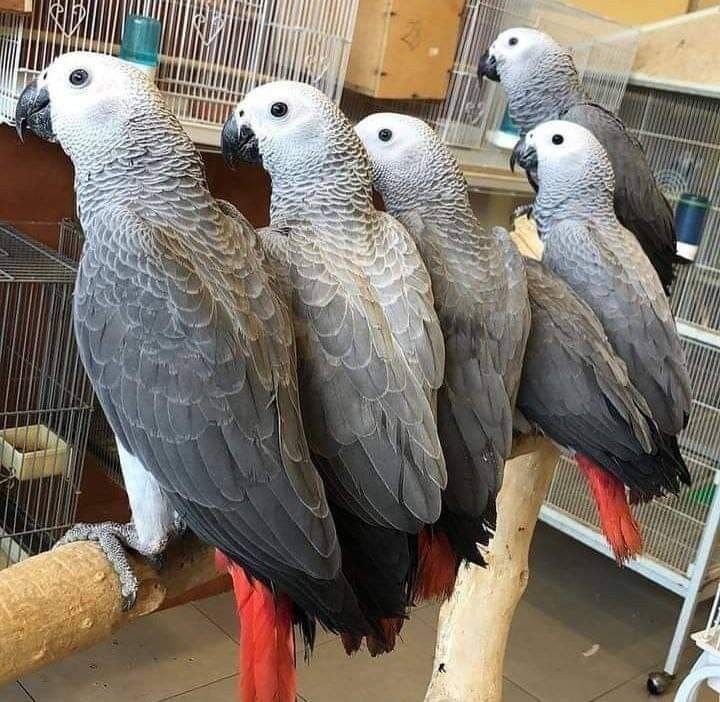
Searching for the African Grey Parrot Cage Size Guide? You’re making one of the most important decisions for your future companion. Congo and Timneh African Greys are highly intelligent, long-lived birds that need proper housing to stay physically healthy and mentally stimulated. A cage that is too small can lead to stress, feather plucking, obesity, aggression, or other behavioral issues.
This ultimate African Grey Parrot Cage Size Guide provides clear 2026 recommendations for minimum and ideal dimensions, bar spacing, setup tips, and accessories for both Congo and Timneh African Greys. At Exotic-Birds.com, we raise only hand-raised Congo and Timneh African Greys with daily socialization and enrichment. When you buy from us, you receive personalized cage setup recommendations, a free care guide, full health guarantees, DNA testing, and 24/7 post-purchase support to ensure your bird thrives in its new home.
Remember: the cage is the bird’s main living space, but it should never be their entire world. Plan for at least 3–4 hours of supervised out-of-cage time daily for exercise, play, and bonding.
Quick Comparison: Congo vs Timneh African Grey Cage Size
| Species | Minimum Cage Size (W x D x H) | Ideal Cage Size | Bar Spacing | Key Notes |
|---|---|---|---|---|
| Congo African Grey | 36″ W x 24″ D x 48″ H | 40–48″ W x 30″ D x 60–72″ H | ¾” – 1″ | Larger body needs more horizontal space |
| Timneh African Grey | 32–36″ W x 24″ D x 48″ H | 40″ W x 30″ D x 60″ H or larger | ¾” – 1″ (slightly smaller OK) | More compact but still needs room to climb |
Both subspecies benefit from wider cages rather than very tall, narrow ones. Horizontal bars on at least one side help with climbing.
1. Minimum & Ideal African Grey Parrot Cage Size
The consensus from avian experts and experienced owners is clear in this African Grey Parrot Cage Size Guide:
- Minimum recommended size (for one bird): 36″ wide x 24″ deep x 48″ high (91 cm x 61 cm x 122 cm). This allows full wing stretching and basic movement.
- Ideal / Recommended size: 40–48″ wide x 30″ deep x 60–72″ high or larger. Wider and deeper cages are preferred because African Greys love to climb, forage, and flap their wings.
Many owners upgrade to even larger setups (including small aviaries) for better quality of life. A cage smaller than the minimum often leads to frustration and behavioral problems. For Timneh African Greys, which are slightly smaller and stockier, the lower end of the range works well, but Congo African Greys benefit from the larger ideal dimensions due to their size.
Place the cage so the top is around 5 feet from the floor for security and easy interaction. Position it in a corner of a busy family room (not isolated) with natural light but away from drafts, direct sun, kitchen fumes, or heavy traffic areas.
At Exotic-Birds.com, our hand-raised African Greys come from spacious, enriched environments. They adapt quickly when you provide the proper Congo African Grey cage size or Timneh setup.
2. Bar Spacing and Cage Material Recommendations
- Bar spacing: ¾” to 1″ (approximately 2–2.5 cm). This prevents the bird from getting its head stuck or escaping while allowing easy climbing.
- Bar orientation: Horizontal bars on at least one or two sides are highly recommended for African Greys, as they love to climb and explore.
- Material: Stainless steel is the best long-term choice — rust-proof, durable, and safe. High-quality powder-coated steel is a good, more affordable option if it is thick and well-made. Avoid cheap, thin bars that a Grey’s beak can bend.
Choose a cage with large doors for easy access and a playtop or gym attachment for out-of-cage time.
3. Essential African Grey Cage Setup and Accessories
A proper setup turns the cage into a stimulating home:
- Perches: Multiple natural wood perches of varying diameters (including one natural branch for foot health). Avoid sandpaper perches that can cause sores.
- Toys: Plenty of foraging toys, chewable wood, puzzle feeders, and swings. Rotate toys weekly to prevent boredom.
- Food & Water: Stainless steel bowls (easy to clean and chew-proof).
- Substrate: Newspaper, cage liners, or safe paper-based bedding — change daily or as needed.
- Accessories: A separate play stand or gym for daily exercise outside the cage.
African Greys produce dust (powder down), so good ventilation and regular cleaning are important. Weekly deep cleaning with bird-safe disinfectant keeps the environment healthy.
4. Congo vs Timneh African Grey Housing Differences
While both need similar setups, Congo African Greys are larger and may appreciate extra width for wing flapping. Timneh African Greys, being more compact, can do well in the minimum range but still thrive with more space. In both cases, bigger is always better for reducing stress and encouraging natural behaviors.
5. Common Mistakes to Avoid in Your African Grey Parrot Cage Size Guide
- Choosing a cage based only on height instead of width and depth
- Using bar spacing that is too wide (risk of injury) or too narrow (limits movement)
- Placing the cage in an isolated area or near hazards like kitchens
- Underestimating the need for daily out-of-cage time and enrichment
A well-chosen cage combined with proper diet, training, and interaction helps prevent common issues like feather plucking.
6. Why Start with a Hand-Raised African Grey from Exotic-Birds.com?
The ultimate African Grey Parrot Cage Size Guide works best when your bird is already confident and socialized. At Exotic-Birds.com, every Congo and Timneh African Grey is hand-raised with daily handling and enrichment. They arrive ready to explore their new spacious cage and bond with your family.
We provide personalized recommendations on cage size and setup tailored to your bird and home, along with a complete care guide covering housing, diet, and training. Full health guarantees, DNA testing, competitive 2026 pricing, and 24/7 support make the process smooth and worry-free. Many customers report their birds settled in faster and showed fewer adjustment issues thanks to the strong foundation we provide.
Ready to create the perfect home for your intelligent, talking African Grey? Visit https://exotic-birds.com/ today to browse our current hand-raised Congo and Timneh African Grey availability. Take advantage of our current offers and let our team help you choose the right bird and plan the ideal cage setup.
Frequently Asked Questions (FAQ)
What is the minimum cage size for an African Grey parrot? 36″ wide x 24″ deep x 48″ high is the widely accepted minimum for both Congo and Timneh Greys.
What bar spacing is best for Congo African Grey cage size? ¾” to 1″ (2–2.5 cm) to allow safe climbing without risk of injury or escape.
Do Timneh African Greys need a smaller cage than Congos? They can manage the lower end of the minimum, but both benefit from the same ideal larger dimensions.
Is a taller cage better than a wider one for African Greys? Wider and deeper cages are generally better because Greys need horizontal space to flap wings and move comfortably.
Can I get cage setup advice when buying from Exotic-Birds.com? Yes — we provide detailed, personalized guidance on cage size, accessories, and full setup with every hand-raised African Grey purchase.
Conclusion This ultimate African Grey Parrot Cage Size Guide shows that providing at least 36″ x 24″ x 48″ (and ideally much larger) with proper bar spacing and enrichment is essential for your Congo or Timneh African Grey’s physical and mental health. Combine the right cage with daily out-of-cage time, a balanced diet, and consistent interaction for a happy, well-adjusted companion that can live 40–60+ years.
The best way to succeed is by starting with a quality, hand-raised bird already accustomed to a stimulating environment. At Exotic-Birds.com, our Congo and Timneh African Greys have exactly that foundation, backed by expert advice and lifelong support.
Visit https://exotic-birds.com/ now to view available hand-raised African Greys, read customer success stories, and take the first step toward building a strong, lifelong bond. Your intelligent, talking Grey deserves the ultimate setup — start here today!
Have questions about the African Grey Parrot Cage Size Guide or our birds? Drop them in the comments or contact us directly on the site — we’re happy to help you make the perfect choice.