
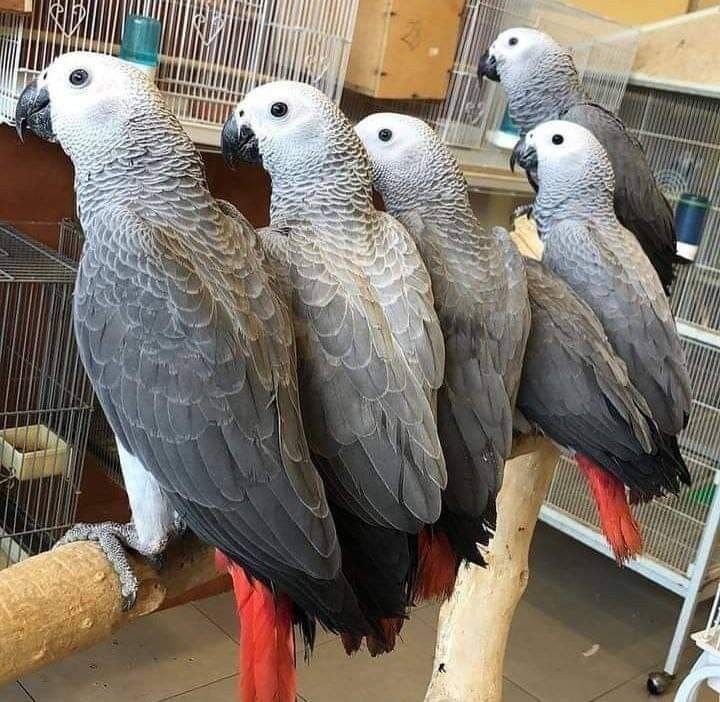
African Grey parrots (Congo and Timneh) are masters at hiding illness until it becomes serious. Knowing the 10 early signs of illness in African Grey parrots can literally save your bird’s life. These intelligent, long-lived birds (40–60+ years) often show subtle changes long before obvious symptoms appear.
This critical guide to the 10 early signs of illness in African Grey parrots will help you spot problems quickly in both Congo and Timneh Greys. At Exotic-Birds.com, we raise only hand-raised Congo and Timneh African Greys with daily socialization, balanced nutrition, and enrichment from a young age. This strong foundation helps prevent many health issues. Every bird comes with full health guarantees, DNA testing, a personalized care guide, and 24/7 post-purchase support so you can act fast if you notice any warning signs.
Important: These are general early signs. Always consult an avian veterinarian immediately if you suspect illness — never wait to “see if it gets better.” African Greys can deteriorate rapidly.
1. Changes in Droppings – One of the Most Reliable Early Signs
Normal African Grey droppings have three parts: solid feces (green/brown), white urates, and clear urine. Early signs of illness often appear here first:
- Runny, watery, or overly loose droppings
- Unusual colors (black, yellow, bright green, or very pale)
- Decreased number or volume of droppings
- Undigested food particles in feces
- Dirty feathers around the vent
Monitor droppings daily. Any change lasting more than a day warrants a vet visit.
2. Lethargy or Decreased Activity Level
A normally active, curious Grey that suddenly becomes quiet, sits fluffed up for long periods, or sleeps more than usual is showing a classic early sign. Watch for:
- Less playing or talking
- Reluctance to move or climb
- Sitting on the bottom of the cage instead of perching
Congo African Greys may become more withdrawn, while Timneh African Greys might seem unusually calm.
3. Sudden Change in Appetite or Water Consumption
Refusal to eat favorite foods, reduced eating, or sudden increase/decrease in drinking can signal illness. Early signs include:
- Picking at food but not swallowing much
- Weight loss (weigh your bird weekly on a gram scale)
- Disinterest in treats they normally love
Loss of appetite is never normal and needs immediate attention.
4. Fluffed-Up Feathers or Poor Feather Condition
A healthy African Grey has sleek, well-groomed feathers. Early illness often shows as:
- Persistent fluffed-up appearance (even in warm rooms)
- Ruffled or unkempt plumage
- Sudden increase in feather plucking or bald patches
Feather changes can indicate pain, nutritional deficiency, or infection.
5. Changes in Vocalization
African Greys are famous talkers. A sudden decrease in noise, silence when they’re usually chatty, or changes in voice quality (hoarse, weak, or raspy) are important early signs of illness in African Grey parrots.
6. Respiratory Symptoms
Watch for subtle breathing changes:
- Tail bobbing with each breath
- Sneezing, coughing, or wheezing
- Nasal discharge or blocked nostrils
- Open-mouth breathing or labored breathing
Respiratory issues are common in Greys and can escalate quickly.
7. Abnormal Perching or Balance Issues
- Sitting with both feet on the perch instead of resting on one
- Drooping wings
- Difficulty balancing or frequent falling
- Reluctance to perch at higher levels
These can indicate weakness, neurological issues, or pain.
8. Eye or Nasal Discharge
Any discharge from eyes, nostrils, or beak (clear, cloudy, or colored) is a red flag. Swollen or crusty eyes also need prompt veterinary attention.
9. Weight Loss or Sudden Weight Gain
Unexpected weight changes are serious. Even a few grams lost over a short period can indicate illness. Regular weighing is one of the best ways to catch problems early.
10. Behavioral Changes or Aggression
Sudden irritability, increased screaming, hiding, or unusual aggression can stem from pain or discomfort. Conversely, a normally social bird that becomes withdrawn is also concerning.
Quick Reference Table: 10 Early Signs of Illness in African Grey Parrots
| Sign # | Early Warning Sign | What to Do Immediately |
|---|---|---|
| 1 | Abnormal droppings | Note changes and contact vet |
| 2 | Lethargy / fluffed feathers | Monitor + schedule vet exam |
| 3 | Loss of appetite | Offer favorites + seek vet help |
| 4 | Feather condition changes | Check diet & environment |
| 5 | Reduced vocalization | Observe + rule out stress/illness |
| 6 | Respiratory effort (tail bobbing) | Urgent vet visit |
| 7 | Balance or perching problems | Supportive care + vet |
| 8 | Eye/nasal discharge | Isolate & see avian vet |
| 9 | Weight loss | Weigh daily & consult vet |
| 10 | Sudden behavioral shifts | Assess environment & seek professional advice |
Prevention Tips for Healthy African Greys
- Provide a large, enriched cage (see our African Grey Parrot Cage Size Guide)
- Feed a balanced diet (60–80% pellets + fresh veggies)
- Ensure 10–12 hours of sleep nightly
- Offer daily out-of-cage time and mental stimulation
- Schedule annual avian vet check-ups with bloodwork
Hand-raised birds from reputable breeders like Exotic-Birds.com often have fewer health issues due to early socialization and proper nutrition.
Why Choose a Hand-Raised African Grey from Exotic-Birds.com?
The best way to avoid illness is starting with a healthy, well-socialized bird. At Exotic-Birds.com, our hand-raised Congo and Timneh African Greys receive daily interaction, balanced nutrition, and enrichment from a young age. They arrive confident and less prone to stress-related problems.
We provide full health guarantees, a detailed care guide covering early signs of illness, and 24/7 post-purchase support. Many customers tell us their birds stayed healthy and vibrant thanks to the strong foundation we provide. Competitive 2026 pricing and fast shipping make it easy and responsible to welcome a thriving Grey into your home.
Ready to bring home a healthy, happy African Grey? Visit https://exotic-birds.com/ today to browse our current hand-raised Congo and Timneh African Grey availability. Take advantage of our offers and expert guidance — your bird’s long, healthy life starts here.
Frequently Asked Questions (FAQ)
What are the top 10 early signs of illness in African Grey parrots? Changes in droppings, lethargy, appetite loss, fluffed feathers, reduced talking, respiratory signs, balance issues, discharge, weight changes, and behavioral shifts.
Do Congo or Timneh African Greys show different illness signs? Both show similar signs, but Congos may hide symptoms longer due to their sensitive nature.
How often should I weigh my African Grey? Weekly (or daily if you suspect illness) using a gram scale.
Can feather plucking be an early sign of illness? Yes — it can indicate stress, nutritional deficiency, or medical problems.
Where can I buy a healthy hand-raised African Grey? Exotic-Birds.com offers well-socialized Congo and Timneh Greys with health guarantees and ongoing support.
Conclusion Knowing these 10 early signs of illness in African Grey parrots empowers you to act fast and give your Congo or Timneh the best chance of recovery. Subtle changes in droppings, behavior, appetite, or appearance often appear before serious symptoms. Combine vigilance with proper housing, diet, and annual vet care for a long, healthy life together.
The smartest start is choosing a quality, hand-raised bird. At Exotic-Birds.com, our African Greys have the foundation needed for excellent health, backed by expert advice and lifetime support.
Visit https://exotic-birds.com/ now to view available hand-raised African Greys, read customer stories, and take the first step toward years of joyful companionship with a healthy, vibrant parrot. Don’t wait until symptoms worsen — be prepared and act early.
Have questions about the 10 early signs of illness in African Grey parrots or our birds? Drop them in the comments or contact us directly on the site — we’re here to help you keep your Grey healthy and happy!