
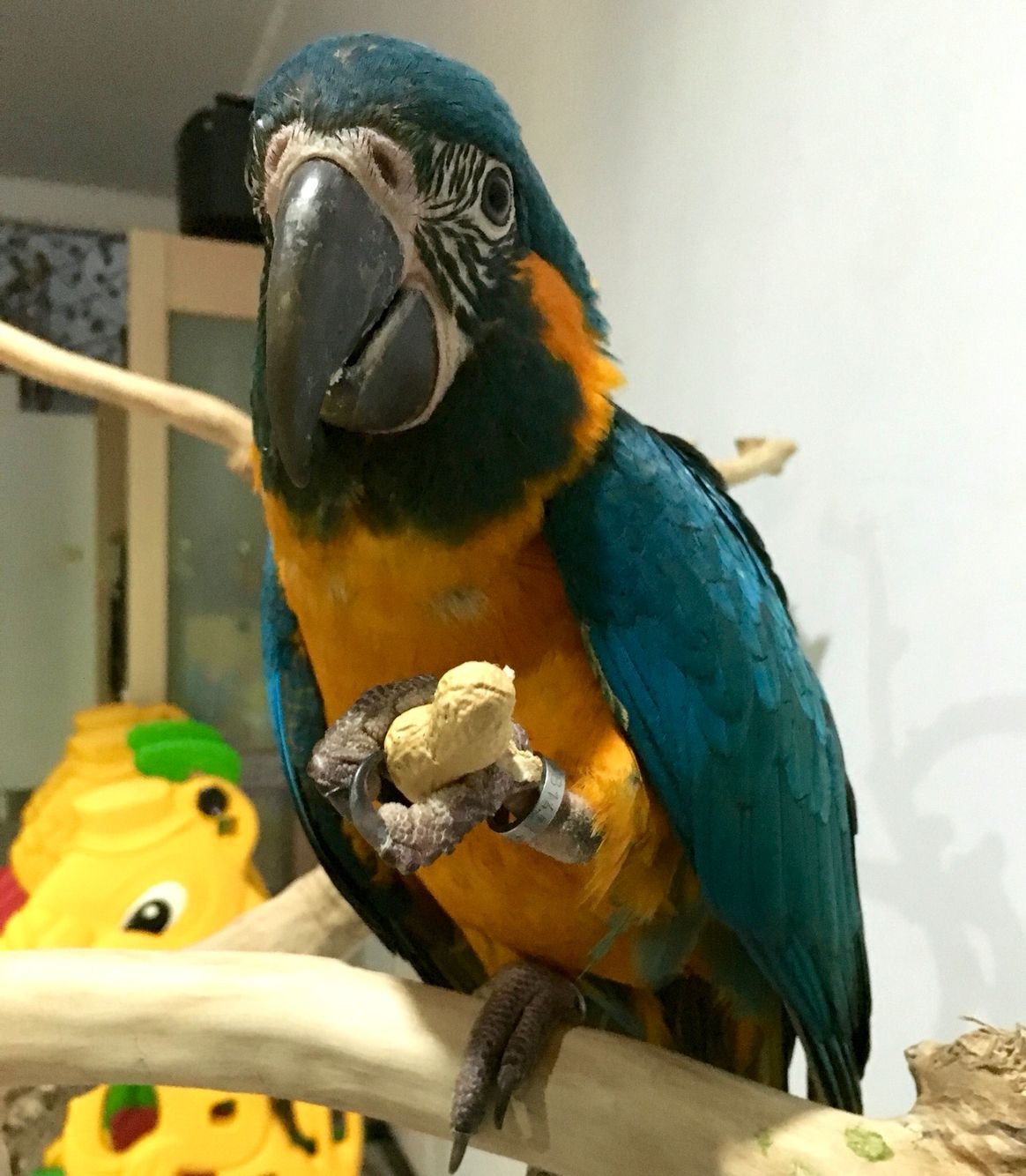
Ultimate Blue and Gold Macaw Care Guide: Lifespan, Cage, Diet & Training (2026)
If you’re searching for the Blue and Gold Macaw care guide, you want clear, practical advice on raising one of the most beautiful and intelligent parrots in the world. Blue and Gold Macaws stand out with their striking blue wings, golden chest, and playful personality. They can become loving, talkative companions — but they demand space, time, and commitment.
This ultimate Blue and Gold Macaw care guide covers everything you need in 2026: realistic Blue and Gold Macaw lifespan, recommended cage size, balanced diet, temperament, talking ability, training, and daily care. At Exotic-Birds.com, we raise only hand-raised Blue and Gold Macaws with daily socialization and proper nutrition from a young age. Our birds arrive confident and ready to thrive in your home. Every purchase includes full health guarantees, DNA testing, a personalized care guide, and 24/7 post-purchase support so you can enjoy your new companion for decades.
Quick Facts About Blue and Gold Macaws
- Scientific Name: Ara ararauna
- Adult Size: 33–36 inches long, wingspan up to 45 inches
- Weight: 900–1,300 grams (about 2–3 lbs)
- Blue and Gold Macaw lifespan: 50–60+ years with excellent care (some live 70–100 years)
- Noise Level: Loud natural calls
- Talking Ability: Excellent — many learn 20–100+ words clearly
These large macaws are highly social and intelligent, but they are not suitable for beginners or small living spaces. They need experienced owners ready for a lifelong commitment.
1. Blue and Gold Macaw Temperament and Personality
Blue and Gold Macaws are often described as playful, comical, affectionate, and mischievous. They love attention and form strong bonds with their owners, enjoying cuddles and head scratches once trust is established. Their intelligence makes them eager to learn tricks and interact.
However, they can become loud, demanding, or one-person oriented without proper socialization. Hormonal periods or boredom may lead to nippiness or destructive chewing. Early and consistent exposure to different people, sounds, and environments helps them become well-adjusted family birds.
At Exotic-Birds.com, our hand-raised Blue and Gold Macaws receive daily handling and enrichment, so they arrive sociable and ready to bond. Many customers report their birds quickly became loving, interactive members of the household thanks to this strong foundation.
2. Recommended Blue and Gold Macaw Cage Size
A spacious cage is critical in any Blue and Gold Macaw care guide. These powerful birds need room to stretch wings, climb, and move freely to avoid stress and behavioral problems.
- Minimum cage size: 40″ wide x 30″ deep x 60″ high
- Ideal cage size: 48″ wide x 36″ deep x 72″ high or larger (consider a double cage or small aviary for best results)
Bar spacing should be 1″ to 1.5″ with sturdy construction — their strong beaks can bend thinner bars. Choose stainless steel or high-quality powder-coated cages for safety and longevity.
Place the cage in a busy family area with natural light, but away from drafts, kitchen fumes, or direct sunlight. Add multiple natural wood perches of different diameters, plenty of foraging and chew toys, and a play gym for daily out-of-cage time (minimum 3–4 hours supervised).
Providing the right Blue and Gold Macaw cage size significantly reduces screaming, plucking, and other issues. Our hand-raised birds at Exotic-Birds.com come from enriched environments and adapt quickly when given proper housing.
3. Best Blue and Gold Macaw Diet
A nutritious Blue and Gold Macaw diet supports their higher fat requirements while preventing obesity and deficiencies.
- Pellets: 60–80% of daily intake (use high-quality large macaw formulas such as Harrison’s, Lafeber, ZuPreem, or Roudybush)
- Fresh vegetables: 15–25% (dark leafy greens, broccoli, carrots, sweet potato, bell peppers, zucchini, peas)
- Fruits: Limited portions (apples without seeds, berries, mango, papaya, banana, melon)
- Nuts and seeds: 5–15% as treats (unsalted almonds, walnuts, Brazil nuts, macadamia)
- Extras: Cooked grains, sprouted seeds, occasional cooked beans or egg for protein
Offer about ½ cup pellets plus ½ cup fresh chop daily, adjusted for your bird’s weight and activity level. Provide fresh water daily and remove uneaten fresh foods promptly.
Avoid toxic items: avocado, chocolate, caffeine, alcohol, onions, garlic, apple seeds, and salty or fried human foods. At Exotic-Birds.com, our Blue and Gold Macaws start on pellets and fresh foods early, making the switch to your home seamless. We include a detailed feeding guide with every bird.
4. Blue and Gold Macaw Talking Ability and Training Tips
Blue and Gold Macaws are among the clearer talkers in the macaw family. Many develop vocabularies of 20–100+ words and phrases, often using them in context and mimicking household sounds.
Effective training tips:
- Use positive reinforcement with praise, small treats, or clicker training
- Keep sessions short (10–15 minutes) and fun
- Teach basic commands like “step up” and recall first
- Practice daily with consistent tone and timing
- Combine training with foraging toys and play for mental stimulation
Patience and bonding are essential. Hand-raised Blue and Gold Macaws from Exotic-Birds.com already have early exposure to human interaction, so they often learn new words and behaviors faster in their new homes.
5. Daily Care, Health, and Enrichment
- Out-of-cage time: At least 3–4 hours daily with supervision for exercise and bonding
- Enrichment: Rotate chew toys, foraging puzzles, and interactive games to fight boredom
- Grooming: Regular nail and beak trims; offer bathing or misting opportunities
- Health checks: Annual avian vet visits; monitor weight, droppings, and behavior
Common challenges include fatty liver from poor diet, stress-related feather plucking, and bacterial issues. A large cage, balanced Blue and Gold Macaw diet, and plenty of interaction help prevent most problems.
6. Pros and Cons of Blue and Gold Macaws
Pros:
- Stunning beauty and high intelligence
- Excellent talking and trick-learning potential
- Affectionate and playful when well-socialized
- Long Blue and Gold Macaw lifespan for decades of companionship
Cons:
- Very loud vocalizations
- Strong chewing ability requires constant safe toys
- Needs experienced owners, large space, and significant daily time
- Higher costs for cage, food, and vet care
Why Buy a Hand-Raised Blue and Gold Macaw from Exotic-Birds.com?
The ultimate success in Blue and Gold Macaw care starts with a quality, hand-raised bird. At Exotic-Birds.com, every Blue and Gold Macaw receives daily socialization, enrichment, and proper nutrition from a young age. They arrive healthy, confident, and prepared to bond with your family.
We provide full health guarantees, DNA sexing, a complete care guide covering cage setup, diet, and training, plus lifetime 24/7 support. Our competitive 2026 pricing and reliable shipping make it easy and responsible to welcome this magnificent parrot home. Customers often share how quickly their birds settled in and started talking thanks to the strong foundation we provide.
Ready to experience the joy of a vibrant, talking Blue and Gold Macaw? Visit https://exotic-birds.com/ today to check current hand-raised availability. Take advantage of our offers and let our team guide you every step of the way.
Frequently Asked Questions (FAQ)
How long is the Blue and Gold Macaw lifespan? 50–60+ years with excellent care; some live 70–100 years.
What is the recommended Blue and Gold Macaw cage size? Minimum 40″ x 30″ x 60″; ideal 48″ x 36″ x 72″ or larger.
What should I feed my Blue and Gold Macaw? 60–80% high-quality pellets, fresh vegetables, limited fruits, and occasional nuts.
Are Blue and Gold Macaws good talkers? Yes — they often learn dozens of words clearly and use them in context.
Is a Blue and Gold Macaw suitable for first-time owners? Best for experienced owners or those fully prepared for a large, intelligent, long-lived parrot.
Conclusion This ultimate Blue and Gold Macaw care guide shows that success comes from providing ample space, a nutritious diet, daily interaction, mental stimulation, and patience. When their needs are met, these stunning birds become affectionate, talkative companions for 50–60+ years.
The smartest way to start is with a healthy, hand-raised Blue and Gold Macaw from a trusted breeder. At Exotic-Birds.com, our birds have the perfect foundation in socialization and care, backed by expert guidance and full support.
Visit https://exotic-birds.com/ now to browse available hand-raised Blue and Gold Macaws, read real customer stories, and take the first step toward a lifetime of beauty, conversation, and companionship. Don’t miss our current specials — your future feathered friend is waiting!
Have questions about Blue and Gold Macaw care guide details or our birds? Leave a comment below or contact us directly on the site — we’re happy to help you succeed.
If you’re considering a Blue and Gold Macaw, this comprehensive Blue and Gold Macaw care guide will help you understand what it takes to provide a happy, healthy home for one of the most stunning and intelligent parrots available. Known for their vibrant blue and gold plumage, playful personality, and impressive talking ability, these large macaws make wonderful companions — but only for owners ready for a long-term commitment.
Blue and Gold Macaws (Ara ararauna) originate from the rainforests of South America. They are highly social, affectionate, and eager to learn, but they are also loud, destructive chewers, and emotionally sensitive. In this guide, we cover everything from Blue and Gold Macaw lifespan and cage size to diet, temperament, training, and daily care. At Exotic-Birds.com, we specialize in hand-raised Blue and Gold Macaws that are already well-socialized and started on a balanced diet and enrichment routine. When you buy from us, you get full health guarantees, DNA testing, a free detailed care guide, and 24/7 post-purchase support to help your new companion thrive for decades.
Quick Facts: Blue and Gold Macaw Overview
- Size: 33–36 inches (84–91 cm) long, with a wingspan of about 40–45 inches
- Weight: 900–1,300 grams (around 2–3 lbs)
- Lifespan: 50–60+ years in captivity with excellent care (some reports of 70–100 years)
- Talking Ability: Excellent — clear voice, vocabulary of 20–100+ words and phrases for many individuals
- Noise Level: Loud (natural calls can carry far)
- Experience Level Needed: Best for experienced bird owners or those fully prepared for a large, demanding parrot
These birds are not “starter” pets. They require significant time, space, and mental stimulation to prevent behavioral issues.
1. Temperament and Personality
Blue and Gold Macaws are often described as playful, comical, mischievous, and affectionate. They form strong bonds with their owners and can be very loving, enjoying head scratches and cuddles (once trust is built). They are intelligent and eager to please, making them responsive to training.
However, they can also be loud, demanding, and one-person oriented if not properly socialized. They may become nippy or destructive during hormonal periods or if bored. Early and ongoing socialization is key — expose them gradually to different people, sounds, and experiences.
Many owners note that Blue and Golds are among the more sociable macaws and adapt well to family life when given consistent interaction. At Exotic-Birds.com, our hand-raised Blue and Gold Macaws receive daily handling and enrichment from a young age, so they arrive confident and ready to bond with their new family.
2. Blue and Gold Macaw Cage Size Requirements
A spacious cage is non-negotiable for these large, active birds. The Blue and Gold Macaw cage size should allow full wing stretching, climbing, and movement without hitting the sides.
- Minimum cage size: 40″ wide x 30″ deep x 60″ high (some sources suggest 36″ x 28″ x 68″ or larger)
- Ideal / Recommended size: 48″ wide x 36″ deep x 72″ high or bigger (double cages or small aviaries are even better)
Bar spacing: 1″ to 1.5″ (sturdy construction is essential — they have powerful beaks). Stainless steel or high-quality powder-coated cages are preferred for durability and safety.
Place the cage in a high-traffic family area with natural light but away from drafts, kitchen fumes, or direct sun. Add multiple perches of varying diameters, foraging toys, and chew toys. A play stand or gym outside the cage is highly recommended for daily out-of-cage time (minimum 3–4 hours supervised).
Providing adequate space reduces stress, screaming, and feather plucking. Our hand-raised birds at Exotic-Birds.com come from enriched environments and adapt quickly when given proper housing.
3. Best Diet for Blue and Gold Macaws
A balanced Blue and Gold Macaw diet supports their higher fat needs compared to smaller parrots while preventing obesity and nutritional deficiencies.
- Pellets: 60–80% of the diet (high-quality large macaw formulas like Harrison’s, Lafeber, ZuPreem, or Roudybush)
- Fresh vegetables: 15–25% (dark leafy greens, broccoli, carrots, sweet potato, bell peppers, zucchini, peas)
- Fruits: In moderation (apples without seeds, berries, mango, papaya, banana, melon)
- Nuts & seeds: 5–15% as treats (almonds, walnuts, Brazil nuts, macadamia — unsalted)
- Other: Cooked grains, sprouted seeds, occasional cooked beans or egg for protein
Feed approximately ½ cup pellets + ½ cup fresh chop daily, adjusted for the bird’s weight and activity. Provide fresh water daily and remove uneaten fresh foods after a few hours.
Avoid toxic foods: avocado, chocolate, caffeine, alcohol, onions, garlic, apple seeds, and salty/fried human foods. At Exotic-Birds.com, our Blue and Gold Macaws are started on pellets and fresh foods early, making the transition easy for new owners. We include a personalized feeding guide with every purchase.
4. Talking Ability and Training
Blue and Gold Macaws are excellent talkers with clear, loud voices. Many learn 20–100+ words and phrases, plus household sounds. They often mimic tones and use words in context.
Training tips:
- Use positive reinforcement (praise, treats, clicker training)
- Keep sessions short, fun, and consistent (10–15 minutes daily)
- Teach step-up, recall, and tricks early
- Socialize extensively to prevent fear or aggression
Patience and bonding are key. Hand-raised birds from Exotic-Birds.com already have a strong foundation in human interaction and often pick up new words and behaviors quickly in their new homes.
5. Daily Care, Health, and Enrichment
- Out-of-cage time: Minimum 3–4 hours daily (more is better) with supervision
- Enrichment: Rotate chew toys, foraging puzzles, and interactive play to prevent boredom
- Grooming: Nail and beak trims as needed; occasional misting or bathing
- Health monitoring: Annual avian vet check-ups, watch for weight changes, feather plucking, or behavioral shifts
Common issues include fatty liver (from poor diet), stress-related plucking, and bacterial infections. A proper diet, large cage, and daily interaction go a long way toward prevention.
Lifelong commitment is essential — these birds can outlive many owners, so plan for rehoming or a trust if needed.
6. Pros and Cons of Owning a Blue and Gold Macaw
Pros:
- Striking beauty and intelligence
- Excellent talking and trick-learning ability
- Affectionate and playful when socialized
- Long-lived companion
Cons:
- Very loud vocalizations
- Destructive chewing (needs constant toys)
- Requires significant time, space, and experience
- High initial and ongoing costs (cage, food, vet care)
Why Choose a Hand-Raised Blue and Gold Macaw from Exotic-Birds.com?
The best way to enjoy a well-adjusted Blue and Gold Macaw is to start with a quality, hand-raised bird. At Exotic-Birds.com, our Blue and Gold Macaws receive daily socialization, enrichment, and proper nutrition from a young age. They arrive confident, friendly, and ready to bond, with full health guarantees and documentation.
We provide expert guidance on cage setup, diet, training, and ongoing care — plus 24/7 support after you bring your bird home. Our competitive 2026 pricing and fast shipping options make it easier and safer to welcome this magnificent parrot into your family.
Ready for a lifetime of color, conversation, and companionship? Visit https://exotic-birds.com/ today to view our current hand-raised Blue and Gold Macaw availability. Take advantage of our offers and let our team help you prepare the perfect home for your new feathered friend.
Frequently Asked Questions (FAQ)
How long do Blue and Gold Macaws live? With excellent care, 50–60+ years is common; some reach 70–100 years.
What is the minimum cage size for a Blue and Gold Macaw? At least 40″ wide x 30″ deep x 60″ high, but larger (48″ x 36″ x 72″+) is strongly recommended.
Are Blue and Gold Macaws good talkers? Yes — they are among the clearer and more capable talking macaws, with many learning dozens of words.
What should I feed a Blue and Gold Macaw? 70%+ high-quality pellets, fresh vegetables, limited fruits, and occasional nuts.
Is a Blue and Gold Macaw suitable for beginners? They are best for experienced owners or those fully committed to the time, space, and care requirements of a large macaw.
Conclusion A Blue and Gold Macaw care guide boils down to providing ample space, a balanced diet, daily interaction, mental stimulation, and patience. These beautiful, intelligent birds can become cherished family members for decades when their needs are met.
The easiest path to success is starting with a healthy, hand-raised bird from a reputable source. At Exotic-Birds.com, our Blue and Gold Macaws come with the strong foundation you need for a rewarding lifelong relationship, backed by expert advice and full support every step of the way.
Visit https://exotic-birds.com/ now to browse available hand-raised Blue and Gold Macaws, read customer stories, and take the first step toward years of joy with one of the most magnificent parrots in the world. Your future talking, playful companion is waiting!
Have questions about Blue and Gold Macaw care or our current birds? Drop them in the comments or contact us directly on the site — we’re here to help you succeed.