
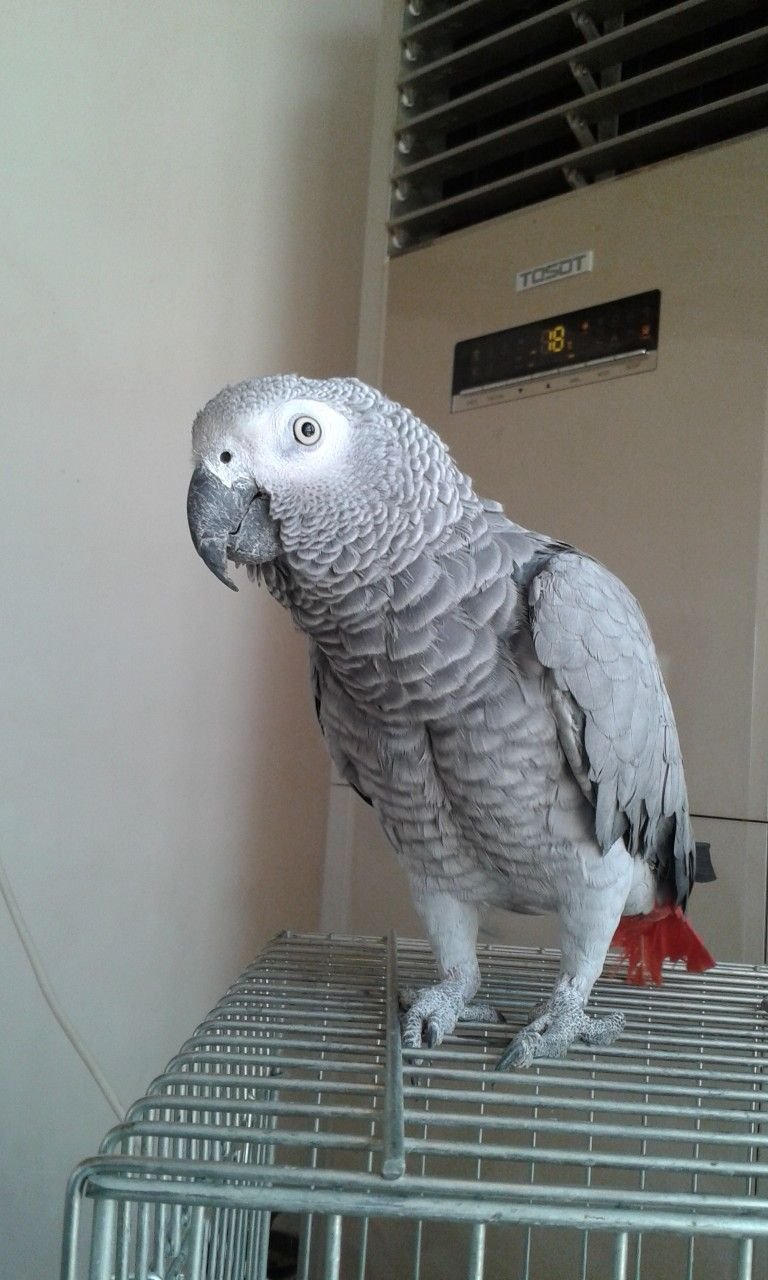
Proven Ways: How to Stop Feather Plucking in African Grey Parrots (2026 Guide)
If your Congo or Timneh African Grey is pulling out feathers, you need effective strategies right away. How to stop feather plucking in African Grey parrots starts with identifying triggers and applying consistent, multi-layered solutions. Feather plucking (feather damaging behavior) is common in these highly intelligent, sensitive birds and is often a sign of underlying stress, medical issues, boredom, or nutritional gaps rather than simple misbehavior.
This in-depth how to stop feather plucking in African Grey parrots guide covers proven causes, step-by-step treatments, diet adjustments, enrichment ideas, and prevention tips that work for both Congo and Timneh African Greys. At Exotic-Birds.com, we raise only hand-raised Congo and Timneh African Greys with daily socialization, proper nutrition, and enrichment from a young age. This foundation greatly reduces the risk of plucking issues. Every bird comes with full health guarantees, a personalized care guide, DNA testing, and 24/7 post-purchase support to help you address any problems quickly and successfully.
Always begin with a qualified avian veterinarian — many cases have medical roots that must be ruled out or treated first. Once medical causes are addressed, environmental and behavioral changes often deliver excellent results.
Common Causes of Feather Plucking in African Grey Parrots
Understanding why your bird is plucking is the first step in learning how to stop feather plucking in African Grey parrots.
- Medical Causes: Skin infections, parasites, allergies, nutritional deficiencies (calcium, vitamin A, or fatty acids), hormonal imbalances, or internal issues like liver problems.
- Environmental & Stress Factors: Small cage, lack of sleep (African Greys need 10–12 hours of darkness nightly), sudden routine changes, or noisy/isolated living conditions.
- Behavioral & Psychological Triggers: Boredom, loneliness, anxiety, or attention-seeking. Congo African Greys can be more emotionally sensitive, while Timneh African Greys are often calmer but still need stimulation.
- Diet-Related Issues: Seed-only diets or poor pellet quality leading to deficiencies and skin irritation.
Early action is key — chronic plucking can damage follicles and become habitual.
How to Stop Feather Plucking in African Grey Parrots: Step-by-Step Solutions
Follow these proven, vet-supported steps for the best chance of success.
1. Get a Thorough Veterinary Evaluation Schedule a complete avian exam with bloodwork, skin scrapes, and cultures. Treat any infection, allergy, or deficiency immediately. Your vet may suggest short-term supportive medications or supplements while you improve the environment. This step alone resolves many cases.
2. Upgrade Diet and Nutrition (Critical for Feather Health) Switch to a balanced African Grey parrot diet: 60–80% high-quality pellets, 20–30% fresh vegetables (dark leafy greens, broccoli, carrots, sweet potato), limited fruits, and occasional nuts. Add vet-recommended calcium or omega-3 supplements if tests show deficiencies. Proper nutrition reduces skin irritation and supports regrowth. Avoid all-seed diets, a frequent trigger for plucking.
3. Optimize Cage Size and Environment Ensure the cage meets recommended dimensions (minimum 36″ W x 24″ D x 48″ H; ideal 40–48″ W x 30″ D x 60–72″ H). Provide horizontal bars for climbing, multiple perches, and good ventilation. Place the cage in a busy family area with consistent routines but away from hazards. Reduce dust buildup (African Greys produce powder down) with regular cleaning.
4. Boost Enrichment and Mental Stimulation Boredom is one of the top causes, so increase foraging opportunities daily — use puzzle toys, shreddable paper, foraging boxes, and rotating chew toys. Teach new tricks with positive reinforcement to redirect energy. UVB lighting and daily misting can also soothe skin and improve mood.
5. Establish Consistent Routines and Sleep Provide 10–12 hours of uninterrupted quiet darkness each night. Keep daily schedules predictable for meals, playtime, and interaction. Minimize sudden changes that cause anxiety.
6. Increase Social Interaction and Bonding Dedicate quality out-of-cage time (minimum 2–4 hours supervised daily). Use positive reinforcement training. Gradually socialize one-person oriented Congos with other family members. Well-socialized Timnehs often adapt faster.
7. Additional Supportive Measures
- Daily lukewarm misting or vet-approved sprays for skin comfort.
- In persistent cases, your vet may recommend behavioral support alongside environmental fixes.
- Never punish or scold — it increases stress and worsens plucking.
Many owners see visible improvement within 4–8 weeks when combining these steps. Regrowth can take months, so stay consistent.
Congo vs Timneh African Grey Plucking Differences and Solutions
Congo African Greys tend to be more sensitive and may pluck due to emotional stress, while Timneh African Greys are generally calmer but still require the same enrichment and routine. The solutions in how to stop feather plucking in African Grey parrots work well for both when tailored slightly — extra patience and socialization for Congos, and consistent mental challenges for Timnehs.
Prevention Tips to Avoid Feather Plucking Altogether
- Choose a well-socialized, hand-raised bird from a reputable source.
- Provide a large, enriched cage and varied diet from day one.
- Monitor for early signs of stress and act immediately.
- Maintain daily interaction and mental stimulation.
Why Buy a Hand-Raised African Grey from Exotic-Birds.com?
The most effective way to prevent or resolve how to stop feather plucking in African Grey parrots is starting with a confident, healthy bird. At Exotic-Birds.com, our hand-raised Congo and Timneh African Greys receive daily handling, foraging practice, balanced nutrition, and enrichment from a young age. They arrive far less likely to develop plucking habits.
We provide a free detailed care guide focused on plucking prevention, full health guarantees, and 24/7 support. Many customers report their birds stayed fully feathered and happy thanks to this strong foundation. Competitive 2026 pricing and fast shipping make it easy to welcome a thriving companion.
Ready to enjoy a beautiful, fully feathered African Grey? Visit https://exotic-birds.com/ today to browse our current hand-raised Congo and Timneh African Grey availability. Take advantage of our offers and expert guidance — your bird’s plumage and well-being start here.
Frequently Asked Questions (FAQ)
What is the most common cause when learning how to stop feather plucking in African Grey parrots? Stress, boredom, diet deficiencies, or medical issues. A vet visit is always the first step.
Can you completely stop feather plucking in African Grey parrots? Yes — many birds recover fully with combined medical treatment, better diet, enrichment, and consistent routines.
Do Congo or Timneh African Greys pluck more often? Congos can be more sensitive, but both respond well to proper care. Hand-raised Timnehs are often more resilient.
How long does it take for feathers to regrow after stopping plucking? Several months. Consistent care prevents further damage during regrowth.
Where can I buy a hand-raised African Grey less likely to pluck? Exotic-Birds.com offers well-socialized Congo and Timneh African Greys with strong foundations and ongoing support.
Conclusion Mastering how to stop feather plucking in African Grey parrots requires a vet check, improved diet, larger enriched environment, daily interaction, and patience. With the right approach, most Congo and Timneh African Greys can regain beautiful plumage and return to their playful, talkative selves for their full 40–60+ year lifespan.
The best prevention is starting with a quality, hand-raised bird already accustomed to proper care. At Exotic-Birds.com, our Congo and Timneh African Greys have exactly that foundation, backed by expert advice and lifetime support.
Visit https://exotic-birds.com/ now to view available hand-raised African Greys, read real customer stories, and take the first step toward a happy, fully feathered companion. Don’t let plucking diminish your bird’s beauty — act today with proven solutions and professional help.
Have questions about how to stop feather plucking in African Grey parrots or our birds? Leave a comment below or contact us directly on the site — we’re here to help you succeed!
If your African Grey is pulling out feathers, you’re facing one of the most common and frustrating issues in parrot ownership. How to stop feather plucking in African Grey parrots requires understanding the root causes and taking consistent, multi-step action. Feather plucking (also called feather damaging behavior) is rarely just “bad behavior” — it’s often a symptom of medical problems, stress, boredom, or environmental issues.
This comprehensive 2026 guide shares proven ways to stop feather plucking in African Grey parrots, with practical solutions for both Congo and Timneh Greys. At Exotic-Birds.com, we raise only hand-raised Congo and Timneh African Greys with excellent socialization and enrichment from a young age. This early foundation helps prevent plucking issues before they start. Every bird comes with full health guarantees, a personalized care guide, and 24/7 post-purchase support so you can address problems quickly and successfully.
Always consult an avian veterinarian first — feather plucking can signal serious health conditions. Once medical causes are ruled out, behavioral and environmental changes often bring dramatic improvement.
Common Causes of Feather Plucking in African Grey Parrots
African Greys are emotionally sensitive and highly intelligent, making them prone to plucking when needs aren’t met. Key causes include:
- Medical issues: Skin infections, parasites, allergies, nutritional deficiencies (especially calcium, vitamin A, or essential fatty acids), heavy metal toxicity, or hormonal imbalances.
- Stress and anxiety: Changes in routine, new environments, lack of sleep (they need 10–12 hours of darkness nightly), or separation from their flock (you).
- Boredom and lack of enrichment: Insufficient mental stimulation, small cage, or lack of foraging opportunities.
- Diet problems: Seed-only diets or poor pellet quality leading to deficiencies.
- Behavioral factors: Loneliness, attention-seeking, or habitual response to stress. Congos may be slightly more prone due to their sensitive nature, while well-socialized Timnehs are sometimes less affected.
Early intervention is critical — the longer plucking continues, the harder it can be to reverse.
Step-by-Step Proven Solutions: How to Stop Feather Plucking
Follow these evidence-based steps in order. Many owners see improvement within weeks when combining several approaches.
- Rule Out Medical Causes First Schedule a full avian vet exam including bloodwork, skin scrapes, and possibly X-rays. Treat any underlying infection, pain, or deficiency immediately. Your vet may recommend supplements or short-term medication (e.g., anti-anxiety options in severe cases) while you address environmental factors.
- Improve Diet and Nutrition Switch to a balanced diet: 60–80% high-quality pellets, 20–30% fresh vegetables (dark leafy greens, broccoli, carrots), limited fruits, and occasional nuts. Add omega-3 sources or vet-recommended supplements if deficiencies are found. Proper nutrition supports healthy feather regrowth and reduces irritation. Avoid all-seed diets, which are a common trigger.
- Optimize the Environment and Cage Setup Ensure the cage meets or exceeds recommended sizes (minimum 36″ W x 24″ D x 48″ H; ideal larger). Provide horizontal bars for climbing and plenty of safe chew and foraging toys. Rotate toys weekly to keep things interesting. Place the cage in a busy but calm family area with consistent routines.
- Increase Mental Stimulation and Enrichment Offer daily foraging opportunities — hide food in puzzle toys, shredded paper, or foraging boxes. Introduce new safe branches, foot toys, and shreddable materials. Teach tricks or target training with positive reinforcement to redirect energy. Boredom is one of the top causes, so enrichment is a proven way to stop plucking.
- Ensure Proper Sleep and Routine Provide 10–12 hours of uninterrupted darkness and quiet each night (cover the cage or use a sleep cage). Maintain consistent daily schedules for meals, playtime, and interaction. Reduce sudden changes that cause anxiety.
- Boost Social Interaction and Bonding Spend quality time daily (minimum 2–4 hours out-of-cage with supervision). Use positive reinforcement training. For one-person oriented Congos, gradually socialize with other family members. Timnehs often adapt more easily to multi-person households.
- Additional Supportive Remedies
- Daily misting with lukewarm water or aloe-based sprays (vet-approved) for skin comfort.
- UVB lighting (full-spectrum) to support vitamin D3 and mood.
- In stubborn cases, your vet may suggest behavioral medications alongside environmental changes.
- Never punish plucking — it increases stress.
Patience is essential. Feather regrowth can take months, and some birds may have permanent damage to follicles if plucking was long-term.
Congo vs Timneh African Grey Plucking Differences
Congo African Greys are often more sensitive and emotionally complex, making them slightly more prone to stress-related plucking. Timneh African Greys tend to be calmer and more adaptable, which can mean fewer behavioral issues when properly enriched. However, both subspecies respond well to the same proven solutions — especially early socialization and consistent care. Hand-raised birds from reputable sources like Exotic-Birds.com have a lower risk because they start life with strong foundations.
Prevention Is Better Than Cure
The best way to stop feather plucking is to prevent it:
- Choose a well-socialized, hand-raised bird.
- Provide a large, enriched cage from day one.
- Maintain a varied diet and daily interaction.
- Monitor for early signs of stress and act quickly.
Why Buy a Hand-Raised African Grey from Exotic-Birds.com?
Preventing or resolving feather plucking in African Grey parrots is much easier when your bird starts with excellent socialization and health. At Exotic-Birds.com, our Congo and Timneh African Greys are hand-raised with daily handling, foraging practice, proper nutrition, and enrichment. They arrive confident and less likely to develop plucking habits.
We include a free detailed care guide covering plucking prevention, full health guarantees, DNA testing, and 24/7 support after purchase. Many customers report their birds remained fully feathered and happy thanks to the strong start we provide. Competitive 2026 pricing and reliable shipping make it simple to welcome a healthy companion.
Ready to give your African Grey the best chance at a plucking-free life? Visit https://exotic-birds.com/ today to browse our current hand-raised Congo and Timneh African Grey availability. Take advantage of our offers and expert guidance — your bird’s beautiful plumage and happy behavior start here.
Frequently Asked Questions (FAQ)
What is the main cause of feather plucking in African Grey parrots? Stress, boredom, diet deficiencies, or medical issues are the most common triggers. A vet visit is the essential first step.
Can feather plucking in African Greys be stopped completely? Yes — many birds stop with combined medical treatment, better diet, enrichment, and consistent interaction. Early action improves success rates.
Do Congo or Timneh African Greys pluck more? Congos can be more sensitive, but both respond well to proper care and enrichment. Well-socialized Timnehs are often more resilient.
How long does it take for feathers to regrow? It can take several months. Consistent care is needed to prevent further plucking during regrowth.
Can I buy a hand-raised African Grey less likely to pluck from Exotic-Birds.com? Yes — our birds receive daily socialization and enrichment from a young age, reducing behavioral risks. We provide full support for any issues.
Conclusion Learning how to stop feather plucking in African Grey parrots involves ruling out medical causes, improving diet and environment, increasing enrichment and interaction, and maintaining consistent routines. With patience and the right approach, most birds can regain beautiful plumage and return to their playful, talkative selves.
The smartest prevention strategy is starting with a healthy, hand-raised bird from a trusted source. At Exotic-Birds.com, our Congo and Timneh African Greys have the foundation needed for long-term success, backed by expert advice and lifetime support.
Visit https://exotic-birds.com/ now to view available hand-raised African Greys, read customer stories, and take the first step toward a happy, fully feathered companion. Don’t let plucking steal your bird’s beauty — act today with proven solutions and professional guidance.
Have questions about how to stop feather plucking in African Grey parrots or our birds? Drop them in the comments or reach out directly on the site — we’re here to help you succeed!