
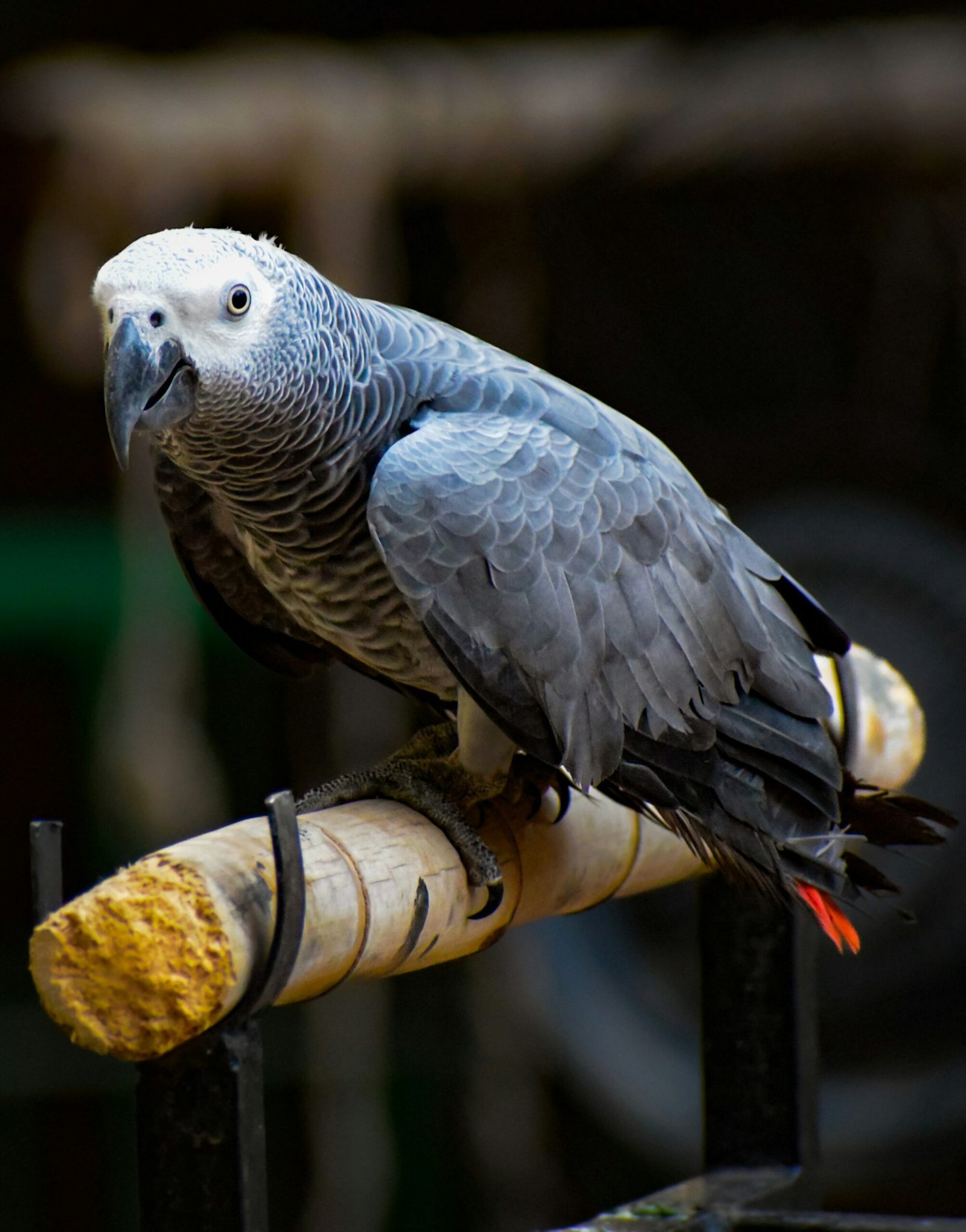
Selecting live birds for sale requires careful attention to health records, early socialization history, and the standards followed by the source. Exotic-Birds.com provides birds raised with consistent monitoring and documented care. Customers receive clear information on each individual before any decision is finalized.
These birds are offered as living companions rather than decorative items. Ownership involves daily interaction and attention to species-specific needs. Preparation supports a smoother adjustment once the bird arrives home.
Exotic-Birds.com maintains complete records for every bird offered. Feeding logs, veterinary notes, and parent details remain available for review. Open communication helps customers assess suitability with accuracy.
Species Range Among Live Birds for Sale
A wide variety of species appears in available selections. Macaws, African greys, cockatoos, Amazons, eclectus, conures, and other exotic birds all feature regularly.
Each group carries distinct size, vocal, and activity characteristics. Matching the bird to household conditions remains important for long-term success.
Temperament varies by species yet early gentle handling helps shape confident adult behavior across types.
Vocalizations range from moderate to loud depending on the species chosen. Prospective owners should consider household tolerance for sound.
Exotic-Birds.com supplies species notes with each listing so that living conditions can be matched to natural tendencies.
Pricing Factors for Live Birds for Sale
Cost depends on species, age, and the extent of hand-rearing already completed. Younger birds that have finished weaning generally appear in a different range from older juveniles.
Exotic-Birds.com presents clear figures that cover the bird, basic health documentation, and starter guidance materials. No separate charges appear at the time of transfer.
The overall amount reflects specialized nutrition during growth stages, veterinary screening, and time spent on socialization. These elements influence the numbers shown.
When comparing options it helps to examine the full package of records and support. Birds raised under consistent conditions often need fewer later interventions.
Staff members explain the components behind any listed figure. Direct conversation clarifies the details without pressure.
Care Guide Related to Live Birds for Sale
Nutrition centers on high-quality pellets as a base, supplemented with fresh vegetables and limited fruit. Occasional nuts provide enrichment when offered in moderation.
Daily social contact remains important. These birds notice household patterns and respond best when interaction occurs at predictable times.
Mental challenges such as foraging toys and simple training sessions help prevent boredom. Short consistent efforts produce steadier progress than infrequent long sessions.
Regular observation of weight, droppings, and feather condition supports early detection of changes. Guidance materials outline normal patterns for the first months.
Quiet rest periods of ten to twelve hours contribute to overall condition. A dedicated sleep area reduces nighttime disturbance.
Cage Setup for Live Birds for Sale
The enclosure must allow full wing extension and comfortable movement. Sturdy construction and appropriate bar spacing reduce injury risk while supporting climbing.
Placement in a shared living area helps the bird observe family activity. Isolation can increase caution and slow the adjustment process.
Perches of varying diameters and textures promote foot health. Natural wood options work well alongside standard materials.
Toys require regular rotation. Durable puzzle feeders and destructible items keep attention engaged throughout the day.
Food and water containers need daily cleaning. Stainless steel or ceramic dishes prove practical for repeated use.
Buying Tips When Considering Live Birds for Sale
Request recent veterinary examination results before finalizing any transfer. Clear documentation of health status provides a reliable foundation.
Observe posture, feather quality, and response to familiar caregivers. Alert yet measured behavior during handling usually indicates sound condition.
Ask about the exact feeding history and weaning progress. Birds that have advanced steadily adapt more readily after the move.
Video calls allow distant buyers to view current birds. Exotic-Birds.com arranges these sessions as standard practice.
Evaluate the complete set of records and post-sale support rather than focusing on price alone. Ongoing access to advice often distinguishes thorough sources.
Preparation Steps Before Arrival
Remove or secure toxic plants and eliminate sources of harmful fumes. These precautions protect exploring birds once they begin to investigate the new space.
Establish a consistent daily schedule in advance. Predictable timing reduces stress during the early weeks.
Prepare a secondary carrier for veterinary visits. Positive early experience with the carrier limits later resistance.
Stock appropriate foods and basic supplies beforehand. Having everything ready allows attention to remain on the bird.
Identify an avian-experienced veterinarian in the local area. Making contact before arrival proves useful if questions arise quickly.
Long-Term Commitment Involved
These birds commonly live many decades under favorable conditions. The decision involves multi-year planning for care and stability.
Lifestyle changes such as relocation or extended travel require advance arrangements. Qualified temporary care protects health and routine.
Recurring costs cover quality nutrition, enrichment items, and periodic examinations. These expenses continue throughout the bird’s life.
Strong attachments form with consistent caregivers. Future life events should be weighed against the bird’s need for predictability.
Exotic-Birds.com discusses these longer-term factors openly with every customer. Realistic planning supports better outcomes for both parties.
Additional Ownership Points
Environmental enrichment stays important as the bird matures. New foraging tasks and supervised exploration maintain mental engagement.
Positive-reinforcement training builds useful behaviors and strengthens the relationship. Brief daily sessions yield steady progress.
All household members should follow the same interaction guidelines. Consistent signals help the bird settle with less confusion.
Vocal tendencies develop over time. Researching typical patterns prevents unexpected volume levels after the bird becomes established.
Local regulations may apply. Confirming any ownership rules ensures compliance from the beginning.
The Approach Taken by Exotic-Birds.com
Health documentation, early socialization, and clear customer communication remain central. These standards apply to every bird placed through the site.
Staff members stay reachable after transfer for questions on diet, behavior, or housing. Continued access to advice forms part of normal service.
Birds develop under controlled conditions that address key growth stages. This foundation supports stronger long-term prospects.
Species-specific notes accompany each placement. Practical detail helps the home transition proceed with fewer difficulties.
Current availability changes as birds reach suitable ages. Direct contact provides the most accurate information at any moment.
Contact Exotic-Birds.com for Current Options
Anyone interested in present birds is invited to make contact. The team can review species suitability, preparation steps, and individuals currently ready.
Questions on care routines, enclosure needs, or longer planning receive full replies. Early discussion improves the chance of a suitable match.
Use the website inquiry form or direct message to begin the conversation. Exotic-Birds.com supplies the details needed for a measured decision.
Documented health history and straightforward answers remain priorities. Customers receive information based on the specific birds under review.
Reach out today to learn more. Staff members will share current details and practical guidance so that any choice rests on solid information.